
Alumni Updates
In Retrospect: Ashika Sharma ’26 on the 2026 Summer Science Program
Ashika Sharma joined SSP Interenational to reflect on her experience at the 2026 Summer Science Program’s Bacterial Genomics Program at the College of Wooster.
Ashika is from Rocky Hill, Connecticut.
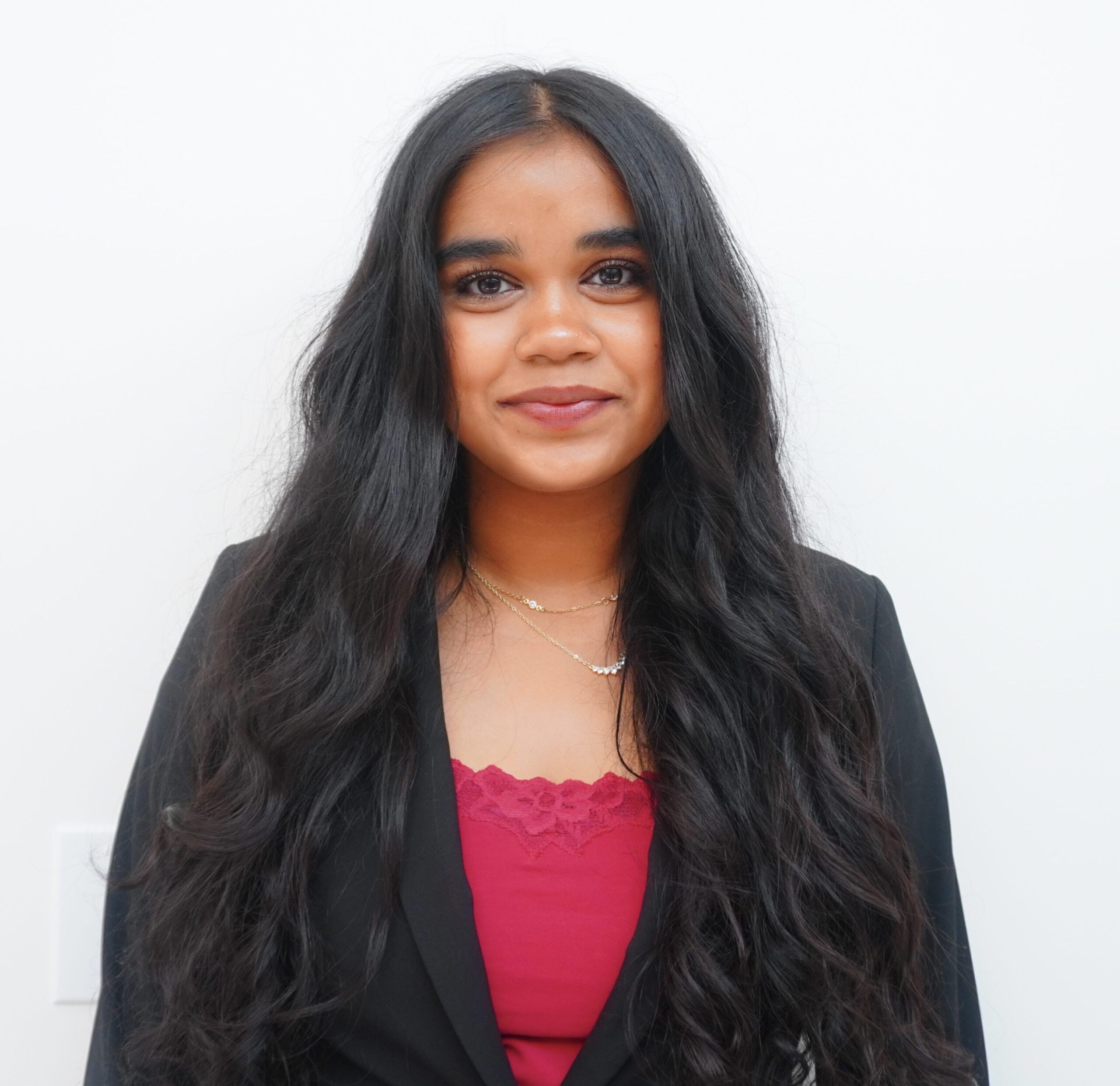
I could talk about this experience forever. All in all, I thank SSP International for the lifetime of an experience, an experience that showed me an integral value: “If we knew what it was we were doing, it would not be called research, would it?” (Albert Einstein)
How did you first learn about the Summer Science Program and decide to attend?
I first learned about the Summer Science Program through a friend who had previously participated in the program and strongly encouraged me to apply. I did, and when my acceptance came in April, I was beyond thrilled!
Choosing to actually attend with the offer in my hand became a no-brainer once I started talking with past alumni and hearing about their experiences. I was genuinely shocked to learn how tight-knit the Summer Science Program community stays, with alumni from years apart still keeping in touch, leaning on each other, and talking about the program as one of the most transformative experiences of their lives.
On top of that, the Summer Science Program was incredibly generous with financial aid—enough to make this dream a reality without any financial strain for my family. Between hearing alumni describe the Summer Science Program as one of the most formative summers of their lives, scrolling through blog posts of daily life and festivities on campus, and realizing the sheer caliber of the research I’d be doing alongside people just as obsessed with science as I am, I knew this was exactly where I needed to be this summer to not only grow as a scientist, but as a human being.
How did the Summer Science Program differ from the STEM education you have received so far in school or at other programs?
Where do I even begin!!
The biggest difference was hands-on ownership. At the Summer Science Program, I wasn’t handed a fully set-up protocol to passively carry out as one might be more used to in a school setting. Here, I was troubleshooting my own experiments, staring down the (and I say this with total affection) cursed chemostat, and learning to restart from scratch again and again when things didn’t go according to plan. Because at the Summer Science Program, they won’t, and that happens by design! In that process, I was able to actually build a holistic understanding of how and why something works or doesn’t.
But the biggest shift was realizing our science actually had stakes. In school, a lab is practice because you follow the steps, you get a result, and then you move on. At the Summer Science Program, our project had a real story arc which I genuinely appreciated: a beginning, a middle full of setbacks like contamination scares and failed runs, and an end we had to fight our way toward. The Summer Science Program taught me to be obsessed with more than just my destination, but also the journey (which, ironically, is exactly what makes the destination better). It also made me a more precise and analytical person, because when a single contaminated vial can undo days of work, you learn to slow down and get it right.
Also, because we were constantly explaining our project to people both inside and outside our field, we got really good at what we called “scientific storytelling”—turning dense science into something anyone could actually follow and care about. All of that, in five fast-paced weeks, gave me a breadth of skills I don’t think I could’ve built anywhere else.
How would you describe the atmosphere at the program?
You can’t underestimate the challenge and rigor part of the Summer Science Program itself! You’re surrounded by people who are just as obsessed with this as you are, and that pushes you to push yourself. What made it even better was that the instructors and TAs treated us like scientists capable of figuring it out as a lab group. That meant we weren’t just problem-solving; we were learning to collaborate under real pressure, which is arguably the more important skill of the two!
On that note, the collaboration itself looked nothing like high school. In class, you gravitate toward friends or people you’re already comfortable with (in most cases, at least). At the Summer Science Program, I was placed into random lab groups with people from completely different backgrounds, and I worked alongside them for five straight weeks. That taught me how to have honest conversations with teammates, how to actually value everyone’s input, and how to stay respectful even when things got stressful—and they did. We joked that it was the “shared trauma” that bonded us, and I mean that with total affection.
Getting through the hard stuff together not only got us through it, but it made us want to chase the next hard thing. I watched people spend days stuck on a bioinformatics pipeline, finally crack it, and immediately go looking for the next challenge in line. It sounds unhinged, but we’re nerds, and that’s what bonds us!
What surprised you most about this summer?
What surprised me most was how much I grew outside the lab. I came in expecting to grow as a scientist. I didn’t expect to grow just as much as a person. Somewhere between coordinating our cohort’s birthday celebrations (yes, we made an unoffical role just for my friend and I to coordinate birthday surprises for the summer birthdays) and learning to navigate five weeks of living, working, and problem-solving alongside the same people, I found myself stepping into leadership in ways that had nothing to do with pipettes or protocols—learning how to read a room, hold space for people who were struggling, and keep a group’s morale up when the science wasn’t cooperating. It’s one thing to leave a program with better lab skills. It’s another to leave it a more socially attuned, more patient version of yourself.
Living in such close quarters with the same people for five weeks only deepened all of it. The Summer Science Program is the kind of environment that builds lifelong connections, not just lab partners for a summer. In fact, it’s been a month since I left my program at the time that I am writing this, and ~9 of us who live within the same region have already planned a meetup together (I am actively on the train, traveling for the meetup while I write this). At the end of the day, community was the biggest differentiator of all.
Where has STEM taken you? Share more about your story!