Astrophysics
Become an astronomer and explore the celestial bodies across our starry cosmos.
About the Program
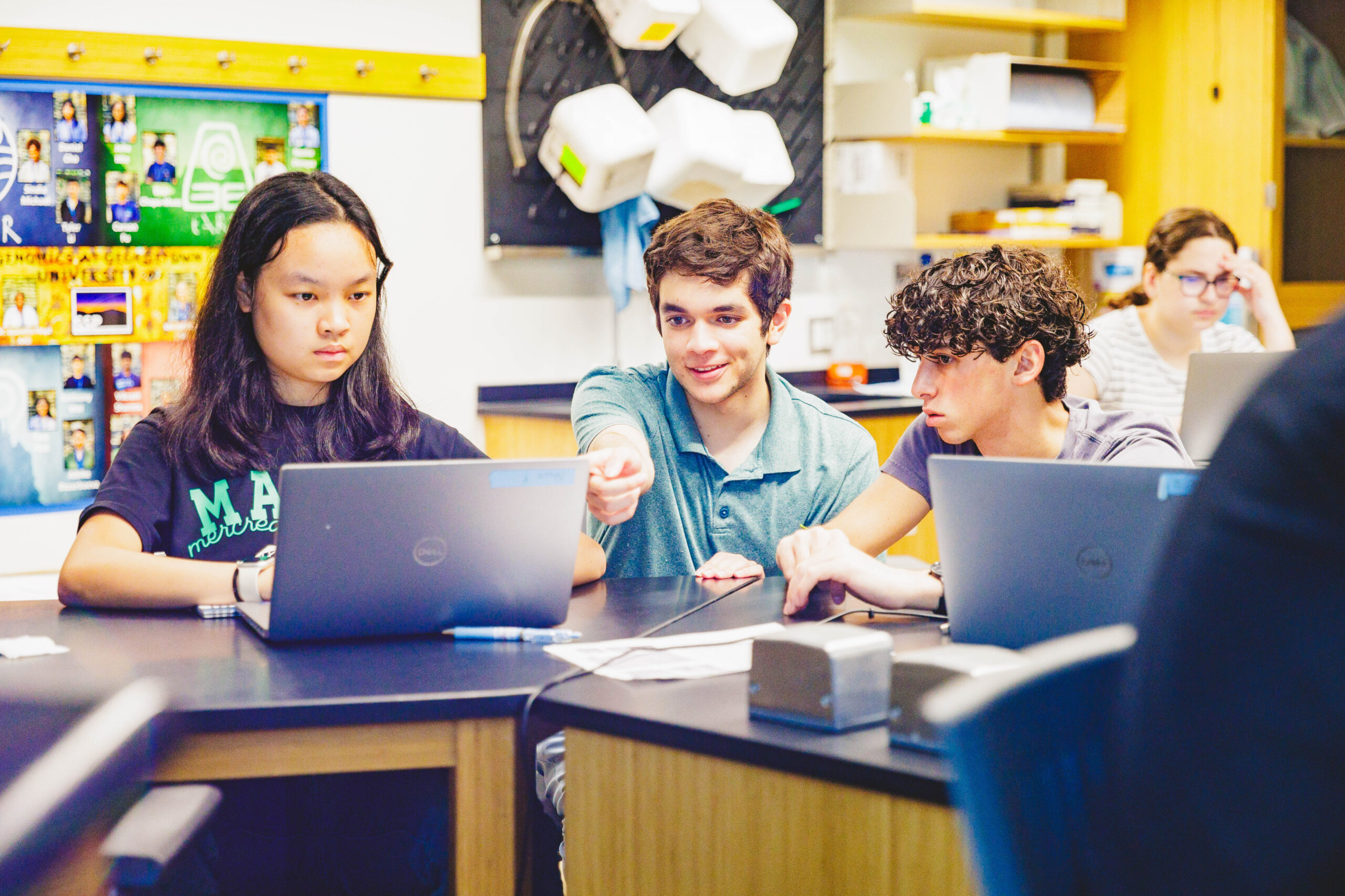
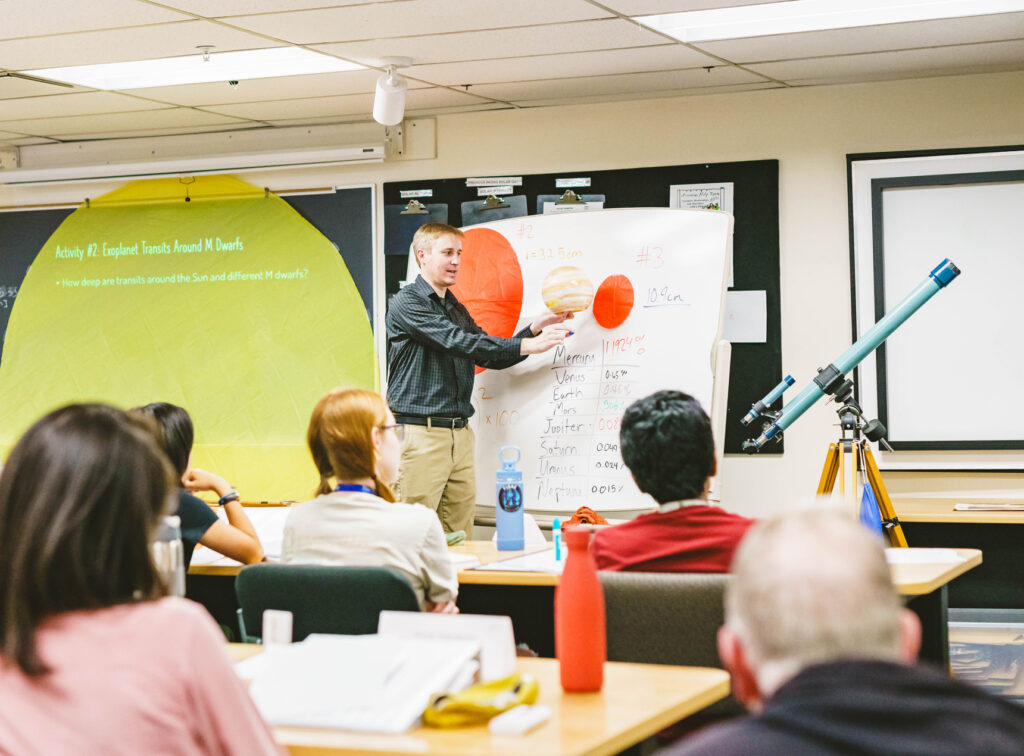
Participants in the Summer Science Program in Astrophysics engage in space exploration, studying celestial bodies such as near-Earth asteroids using astrophysics, calculus, and scientific programming.
The Astrophysics program allows participants to develop research and critical observation skills with real-world applications, learn how to use powerful astronomy technology such as telescopes, and meet renowned astrophysicists and planetary scientists.
Key Dates and Deadlines
-
December 31, 2025
Applications open for Summer 2026 -
January 29, 2026
Deadline for international applications -
February 19, 2026
Deadline for domestic applications -
Mid-April 2026
Admissions decisions released -
June 2026
Programs begin mid-late June

“At SSP, I went to bed every night knowing that I was collecting light that had travelled unimaginable distances through space, just to be intercepted by me. Then I woke up the next morning and let that light help me understand the universe. Doing science is an incredible privilege – the ability to understand the incredibly vast universe that surrounds us – and you can't do it without letting it change you. At SSP, I learned about science, but I also let it inspire me. Now I can say that I know myself better because I know the world better.”
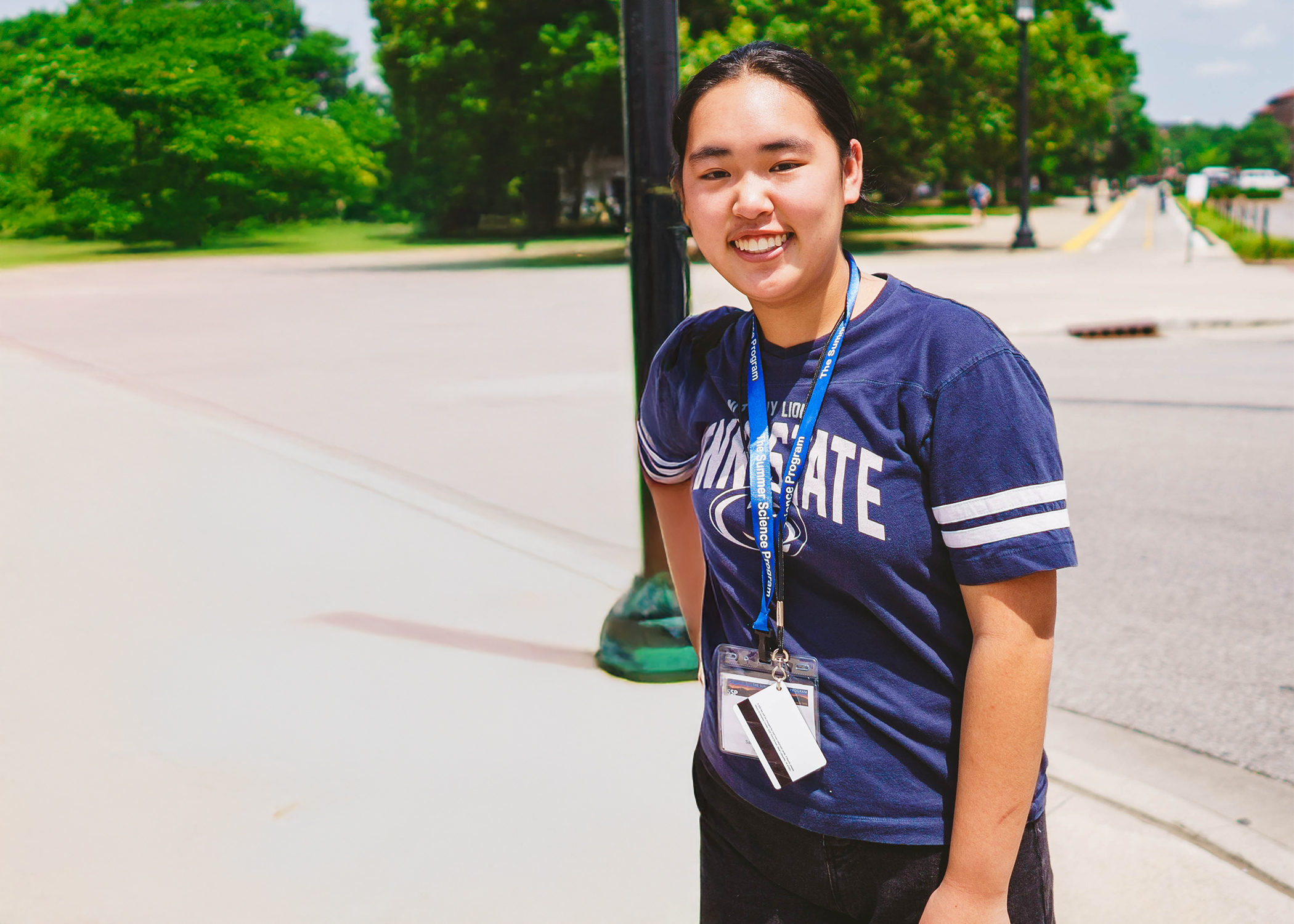
“SSP is made magical by the friends you surround yourself with–sharing smiles after surviving a lab, laughing in the common room, or crying because you know how much these people have come to mean to you. These moments are ones I will take with me for a lifetime.”

“SSP has profoundly changed my life and how I approach problems and work. When they said it would be life-changing, I didn’t believe it—now I see how wrong I was. Every challenge I faced helped me grow, and I’m not sure I’ll be the same person after this.”
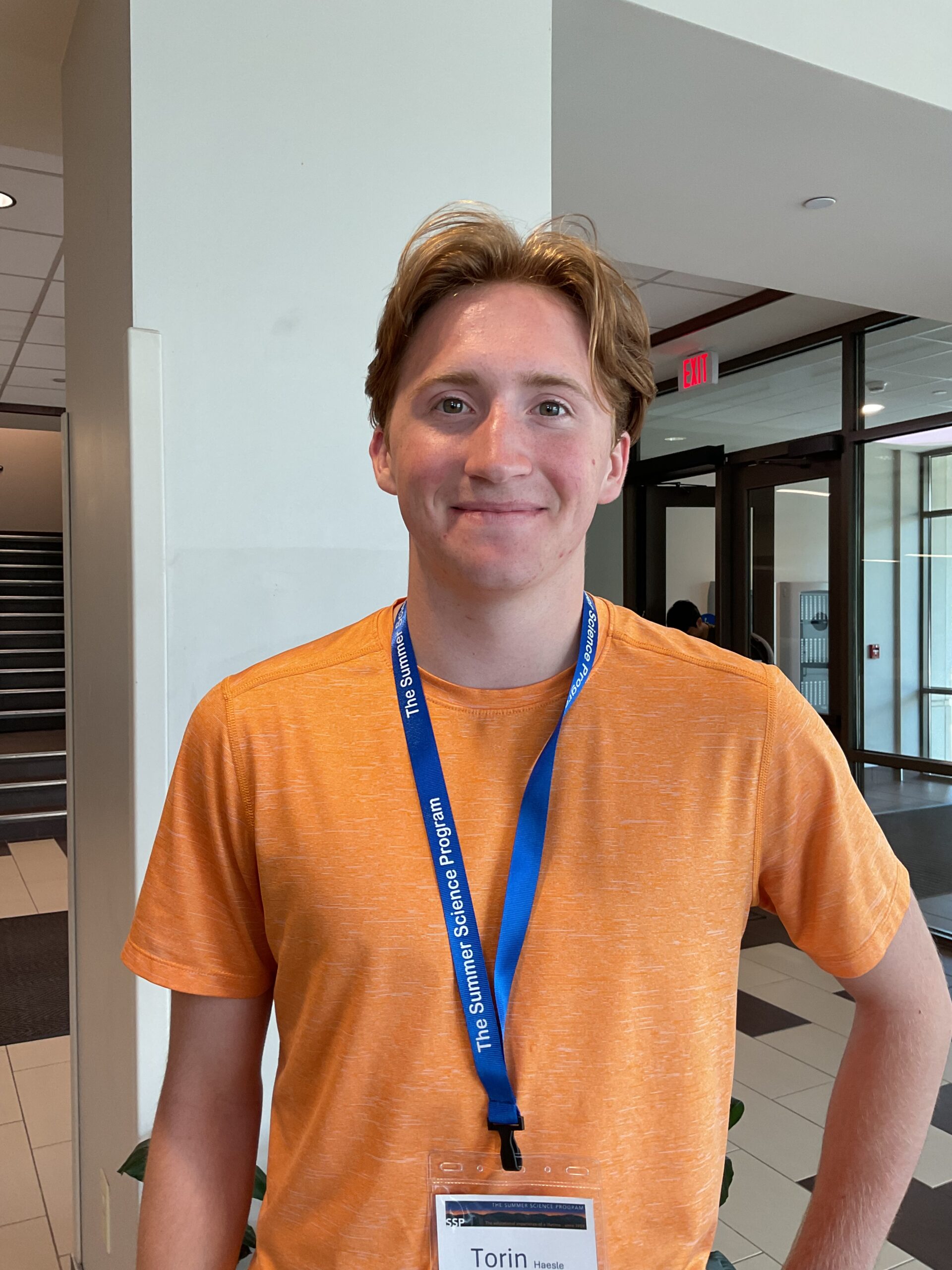
“The essence of SSP is learning the story of everyone around you. Every single person deserves to be here, but what got them here is what is the most intriguing aspect of that person. Their motivations, passions, work ethic, those are all things that you can learn by listening to the people around you.”

“It was an unforgettable experience for her. She was challenged in ways she had never been before, and she really enjoyed learning and interacting with peers who are motivated and share similar passions as her. We sent her to SSP and when she came back, she was more passionate about STEM and research than ever before.”
Is the Summer Science Program in Astrophysics Right for You?
Applications are open each winter to current high school juniors who have completed or are in the process of completing any level of high school physics AND precalculus by June for credit and a grade.
If your school does not offer physics, you can still apply if you have completed or are in the process of completing calculus by June for credit and a grade. We do NOT require AP or advanced-level classes. Self-study does not qualify.
Applicants must be at least 15 years old but not yet 19 during program operation. Current freshmen, sophomores, and seniors are not eligible.
Participants will receive their campus assignments after admission. Campus assignments are not open to change.
2026 Program Dates & Campuses
-
Albion College | Michigan, United States
June 8–July 11, 2026 -
Georgia College & State University | Georgia, United States
June 8–July 11, 2026 -
Linfield University | Oregon, United States
June 15–July 18, 2026 -
University of Wisconsin-River Falls | Wisconsin, United States
June 15–July 18, 2026 -
Colby College | Maine, United States
June 22–July 25, 2026 -
Lehigh University | Pennsylvania, United States
June 22–July 25, 2026 -
Knox College | Illinois, United States
June 29–August 1, 2026
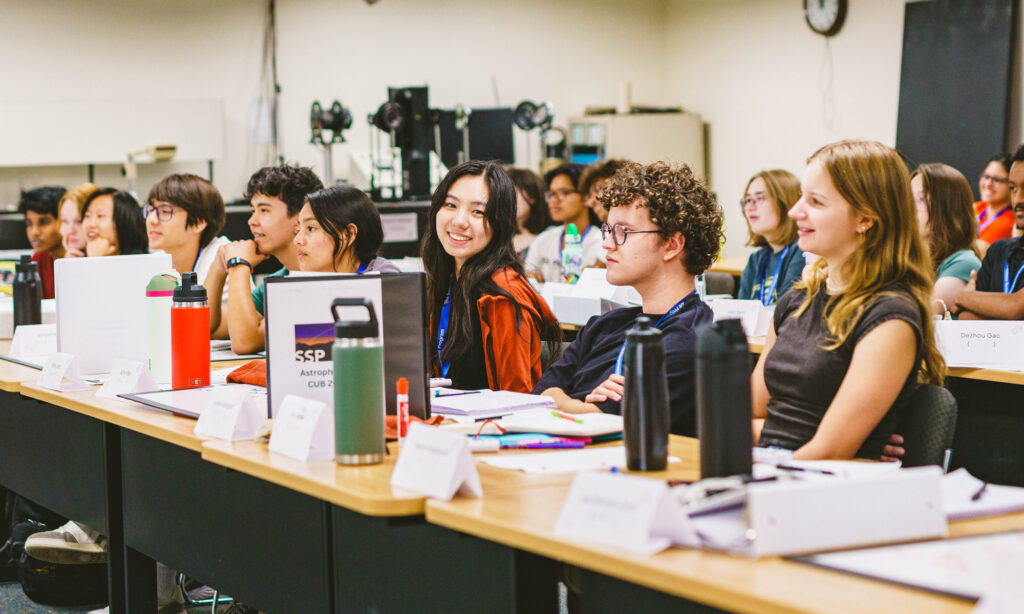
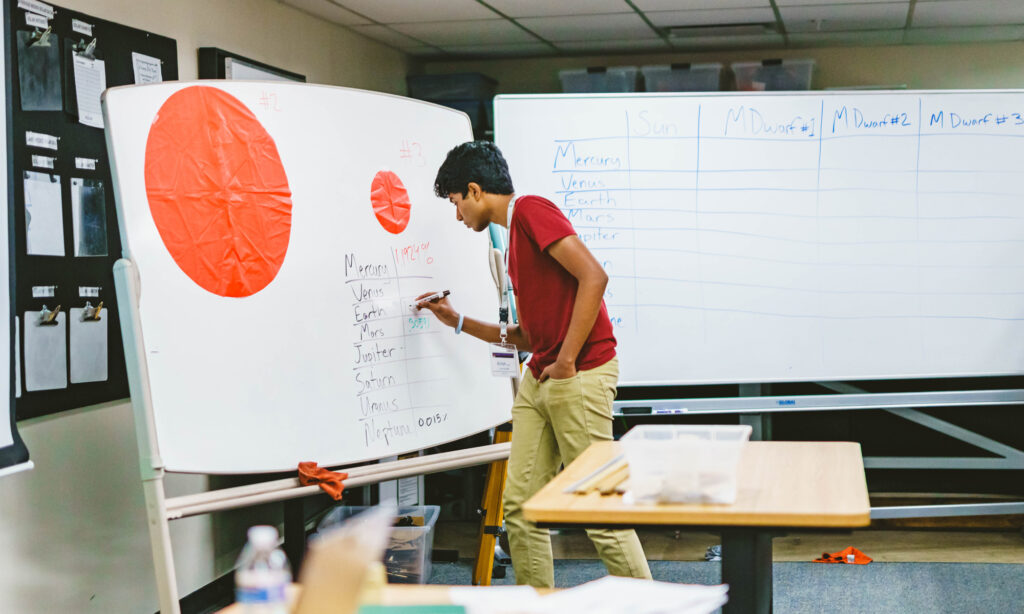
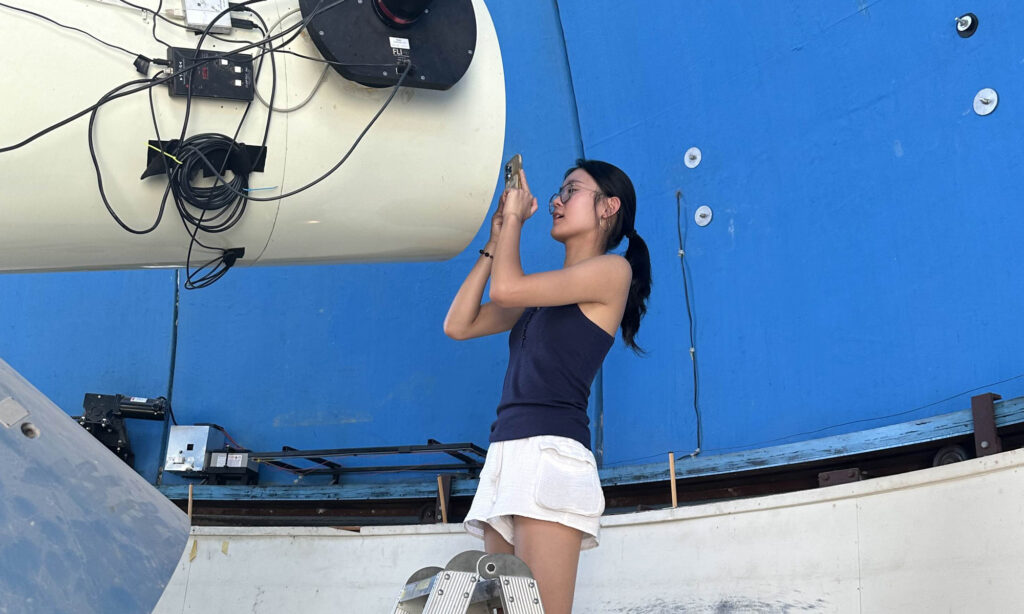
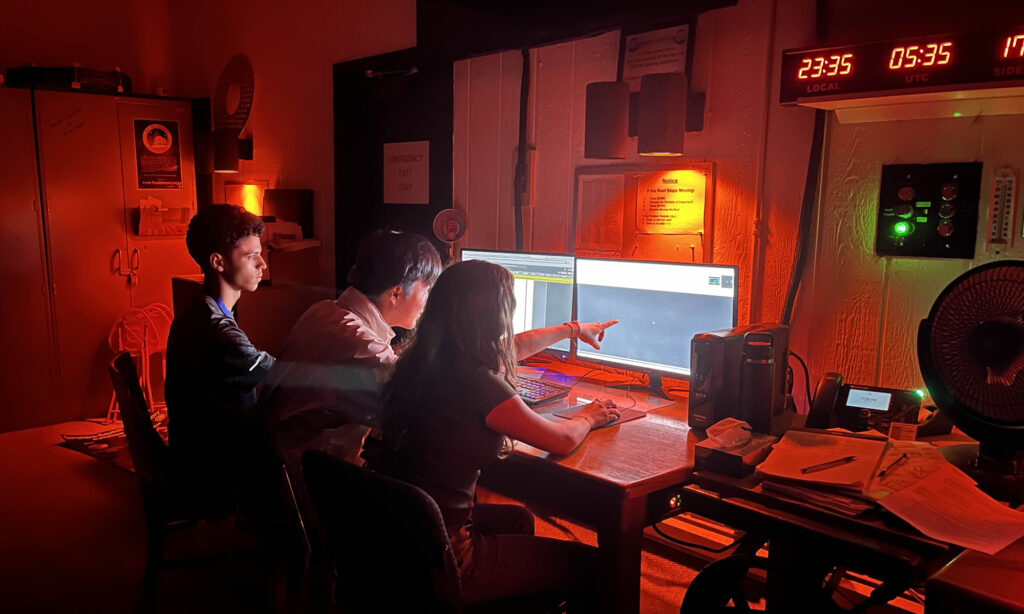
2026 Research Project: Asteroid Orbit Determination
Near-earth asteroids, also known as “minor planets,” orbit the sun at roughly the same distance as Earth. Collisions with them are catastrophic – just ask the dinosaurs – so predicting their future position is pivotal to ensuring that we detect any asteroids which may cross our path.
In the “Asteroid Orbit Determination” research project, you will learn how to locate, study, and calculate the orbital position of these near-earth asteroids. By the end of the program, your calculations will be used by the NASA-funded Minor Planet Center of the International Astronomical Union to improve its predictions of the near-Earth asteroids you studied.
Preview the Experience
On the first day, you will learn how to read celestial coordinates and interpret an ephemeris, a table of calculated positions of celestial bodies, to select a near-Earth asteroid to study. You will then form a group of three to write an “observing proposal” similar to what an astronomer would submit to an observatory. Later that week, you and your group will learn about observing techniques in astronomy and begin capturing images of your near-Earth asteroid.
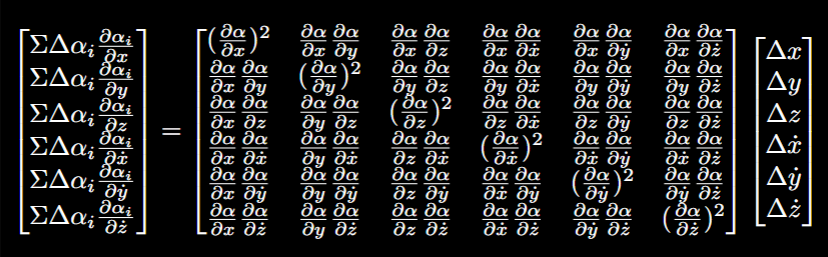
After each observation run, your team will locate the asteroid’s faint dot among the background stars (not always easy to do) and then precisely measure its position relative to surrounding stars. Once you have at least three or four observations taken on different nights, you will write software in Python, a programming language, to calculate the asteroid’s position and velocity vectors. Finally, using orbital physics and calculus, you will estimate the six orbital elements that characterize the asteroid’s path around the Sun.
You will perform every step with your team: choosing your asteroid, directing observations, taking images, reducing the data, and calculating the orbit. You will also have a chance to use astronomical programming tools like Matplotlib, a plotting library used to visualize data in Python, to animate simulations of your asteroid orbiting the sun and determine its eventual fate! By the end of the program, you will be contributing real scientific data to the Minor Planet Center, the worldwide organization responsible for tracking asteroids and other solar system bodies. Your work will help scientists better predict your asteroid’s future path. Topics covered typically include:
- Astronomy: celestial coordinates, digital observational techniques, astrometry, and brief introductions to planetary science and cosmology
- Physics: gravitation and celestial mechanics and brief introductions to the electromagnetic spectrum, relativity, and quantum mechanics
- Mathematics: coordinate transformations, statistics, differential and integral vector calculus, numerical methods, and differential equations
- Scientific Programming: Learning how to code in Python using modern astronomical tools and libraries, including JupyterLab, Matplotlib, and Astropy
Read Our Blog
Learn about the day-to-day experiences of the Summer Science Program in Astrophysics, get to know notable Astrophysics alumni who now lead impactful careers, and stay updated on any major announcements through our blogs below.
NMSU Astro Blog – Day 30
August 21, 2025
Hi! We’re starting our final week here at NMSU, and things are certainly ramping up. By this point, we’re through with lectures centered around the work we’re doing with our asteroids. Instead, the professors have been teaching us about interesting topics of their choice. Today, it was a lecture on quantum physics by Dr. A, […]
NMSU Astro Blog – Day 28
August 21, 2025
Holaaa welcome to the (almost) last Saturday of SSP! I still cannot believe that we are wrapping up our projects and heading home in a week 🙁 Regardless, the past few weeks have felt like an eternity and Sunday departure day also feels eons away. However, before then, every day is grind time. Although it’s […]
NMSU Astro Blog – Day 23
August 21, 2025
Salutations bluzz (blog reader huzz [yes I copied this from someone else’s blog that I read before]). I woke up today feeling like a spider had released an egg sac in my stomach, and that the sac had ruptured. I was so nervous to check my AP scores that I wished I could be eaten […]